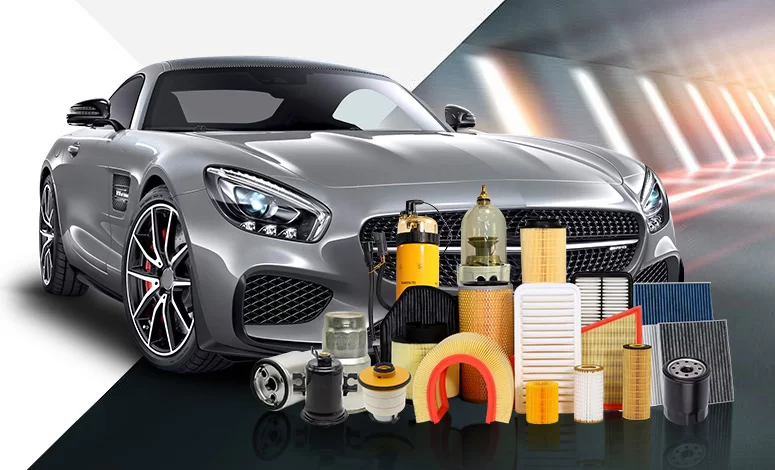
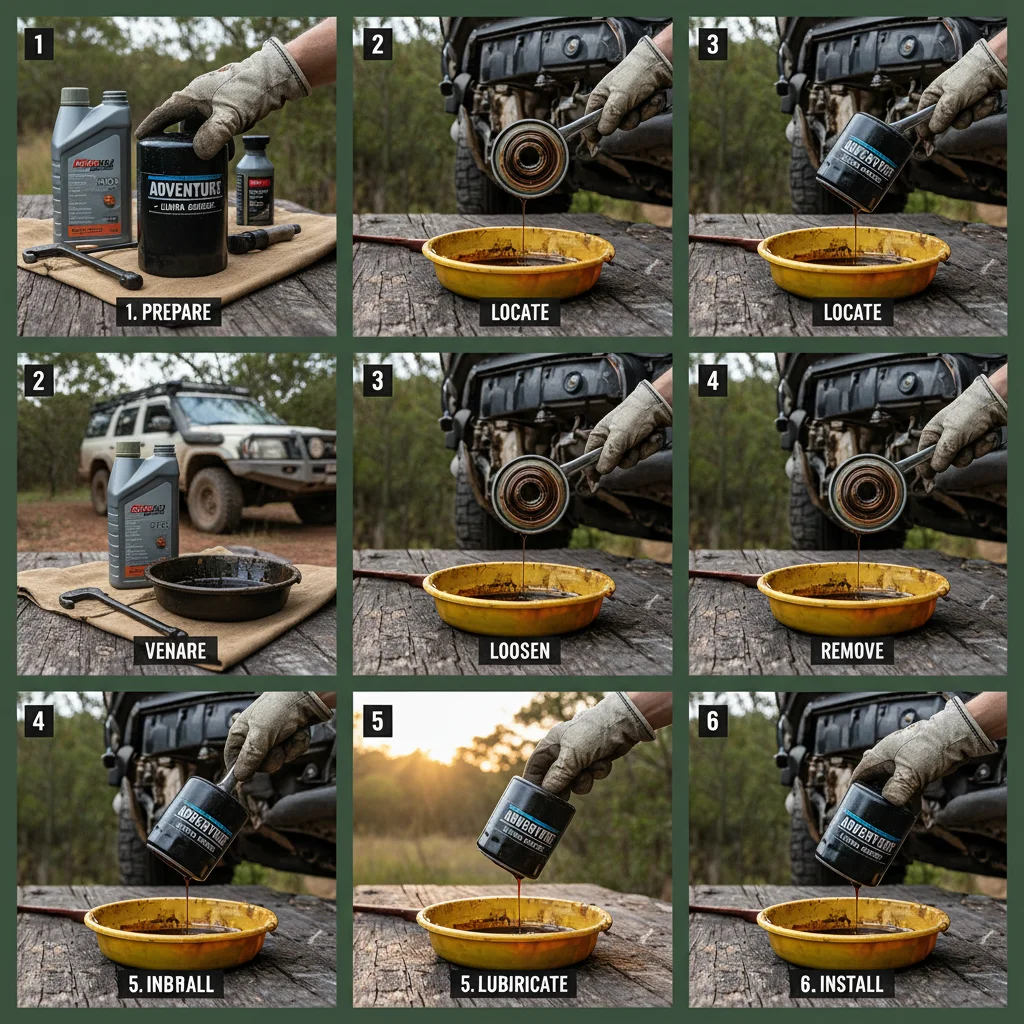
Oil filters are essential components in a vast range of machinery and engines, playing a critical role in maintaining performance, extending lifespan, and reducing environmental impact. From automobiles and heavy-duty trucks to industrial equipment and power generation systems, these filters safeguard vital parts by removing contaminants from lubricating oil. Understanding the nuances of oil filters – their types, efficiencies, and applications – is paramount for optimizing operational costs and ensuring reliability.
Globally, the demand for high-quality oil filters is driven by several factors, including increasing vehicle production, stringent emission regulations, and the growing need for efficient industrial processes. The automotive industry remains the largest consumer, but substantial demand also originates from sectors like aerospace, marine, and manufacturing. According to recent market analysis, the global oil filter market is projected to reach significant growth in the coming years, highlighting its ongoing importance.
The effective function of an oil filter directly translates to tangible benefits – reduced wear and tear on engine components, improved fuel efficiency, and minimized downtime. Investing in quality oil filters is therefore not simply a maintenance task, but a strategic decision impacting the overall profitability and sustainability of countless operations worldwide.

The Core Principles of Oil Filtration
The fundamental principle behind oil filtration is the removal of particulate matter that can cause wear, corrosion, and reduced efficiency within an engine or system. These contaminants can include dust, dirt, metal particles, carbon deposits, and even moisture. Oil filters function by forcing oil through a porous media that traps these impurities, allowing clean oil to circulate and lubricate critical components.
Beyond particulate filtration, some advanced oil filters also incorporate features for removing water and other fluids that can degrade oil’s performance. This multi-stage filtration process ensures that the oil maintains its lubricating properties, protecting the engine from premature failure and maximizing its lifespan.
Types of Oil Filters and Their Applications
There are several distinct types of oil filters, each designed for specific applications and performance requirements. Spin-on filters are the most common type, easily replaceable as a complete unit. Cartridge filters, on the other hand, consist of a replaceable filter element housed within a permanent canister, often found in high-performance or heavy-duty applications. Bypass filters are designed to filter a small portion of the oil continuously, providing finer filtration and extending oil life.
Full-flow filters, as the name suggests, filter all of the oil circulating through the system, offering comprehensive protection. The selection of the appropriate filter type depends on factors such as engine size, operating conditions, oil viscosity, and desired filtration efficiency. Understanding these distinctions is crucial for selecting the best oil filter for a given application.
Finally, magnetic filters utilize magnets to attract and remove metallic particles, providing an additional layer of protection against wear debris. These are often used in conjunction with traditional media filters to maximize overall filtration effectiveness.
Filter Media and Construction Materials
The performance of an oil filter is heavily reliant on the quality of its filter media. Common materials include cellulose, synthetic fibers, and microfiber glass. Cellulose media offers a good balance of cost and filtration efficiency, suitable for many automotive applications. Synthetic media, such as polypropylene, provide superior filtration, higher dirt-holding capacity, and better resistance to high temperatures and chemical degradation.
Microfiber glass media offers the highest level of filtration efficiency, capable of capturing extremely small particles. The construction of the filter housing also plays a vital role, typically utilizing steel or aluminum for strength and durability. The quality of the seals and gaskets is paramount to prevent oil leaks and maintain pressure integrity.
Advances in materials science are constantly driving innovations in filter media, leading to the development of more efficient and durable oil filters that can withstand increasingly demanding operating conditions.
Performance Metrics and Efficiency Ratings
Evaluating the performance of an oil filter requires understanding key metrics such as particle size distribution, beta ratio, and dirt-holding capacity. Particle size distribution indicates the range of particle sizes the filter can effectively remove. The beta ratio quantifies the filter’s efficiency, representing the number of particles of a given size that are captured versus passed through.
Dirt-holding capacity measures the amount of contaminant the filter can accumulate before becoming saturated. These metrics are often standardized by organizations like SAE International, providing a consistent framework for comparing filter performance.
Oil Filter Efficiency Comparison
Global Applications and Industry Specifics
The application of oil filters spans a diverse range of industries globally. The automotive sector, naturally, remains a primary consumer, with filters tailored for passenger cars, trucks, buses, and motorcycles. However, heavy-duty equipment used in construction, mining, and agriculture also relies heavily on robust filtration systems.
Advantages and Long-Term Operational Value
Investing in high-quality oil filters delivers substantial long-term benefits. Reduced engine wear and tear translates to lower repair costs and extended equipment lifespan. Improved fuel efficiency lowers operating expenses and minimizes environmental impact. Minimizing downtime due to filter-related failures increases productivity and maximizes profitability.
Furthermore, consistent oil cleanliness helps maintain optimal engine performance, contributing to reduced emissions and a more sustainable operation. Choosing reliable filters fosters trust and demonstrates a commitment to operational excellence and environmental responsibility.
Future Trends and Technological Innovations
The future of oil filtration is driven by the pursuit of increased efficiency, sustainability, and integration with advanced technologies. Nanomaterials are emerging as promising filter media, offering superior filtration capabilities and extended lifespan. Smart filters equipped with sensors can monitor filter condition and predict replacement needs, optimizing maintenance schedules.
Developments in synthetic materials and biodegradable filter components are aligning with growing environmental concerns. Furthermore, the increasing adoption of electric vehicles is prompting research into filtration solutions tailored for electric drivetrain fluids, ensuring the longevity and performance of these emerging systems.
Summary of Oil Filter Advancements
| Technology |
Filtration Efficiency |
Environmental Impact |
Cost Factor |
| Nanomaterial Filters |
9.5/10 |
Low (Potential for Sustainable Materials) |
High |
| Smart Filters with Sensors |
8/10 |
Medium (Reduced Waste through Optimized Replacement) |
Medium |
| Biodegradable Filter Components |
7/10 |
Very Low (Reduced Environmental Footprint) |
Medium to High |
| Advanced Synthetic Media |
9/10 |
Medium (Longer Lifespan Reduces Waste) |
Medium |
| Electrostatic Filtration |
8.5/10 |
Medium (Energy Consumption Considerations) |
High |
| Multi-Stage Filtration Systems |
9/10 |
Medium (Optimized Resource Use) |
Medium to High |
FAQS
The ideal oil filter change interval depends on several factors, including your vehicle's make and model, driving conditions, and the type of oil used. Generally, it’s recommended to change the oil filter with every oil change, typically every 5,000 to 7,500 miles for conventional oil, and 7,500 to 10,000 miles for synthetic oil. Always consult your vehicle’s owner's manual for specific recommendations. Regularly using high-quality oil filters is essential for optimal engine protection.
Spin-on filters are self-contained units that are easily replaced as a complete assembly. Cartridge filters, on the other hand, consist of a replaceable filter element that fits inside a permanent housing. Cartridge filters generally offer higher filtration efficiency and reduced waste, as only the element needs replacing. The choice between the two often depends on the vehicle’s design and the specific application.
Several symptoms can indicate a clogged oil filter, including a decrease in oil pressure, engine knocking sounds, and a warning light on the dashboard. A noticeable drop in engine performance and increased fuel consumption can also be signs. If you suspect a clogged filter, it's crucial to replace it immediately to prevent engine damage.
While most oil filters are designed to work with both conventional and synthetic oils, it's essential to verify compatibility. Some filters may not be suitable for certain oil formulations, particularly those with high detergent levels. Always check the filter’s specifications or consult with a professional to ensure proper compatibility. Using the wrong filter can compromise its performance and potentially damage your engine.
A full-flow filter directs all engine oil through the filter media during normal operation, providing continuous filtration. A bypass filter, conversely, filters a smaller portion of the oil, typically bypassing the main oil flow. Bypass filters are often used to achieve finer filtration and extend oil change intervals, but they don’t offer the same immediate protection as full-flow filters.
The filter media is arguably the most critical component of an oil filter. It determines the filter’s ability to capture contaminants and maintain oil cleanliness. Different media types, such as cellulose, synthetic fibers, and microfiber glass, offer varying levels of filtration efficiency and dirt-holding capacity. Choosing a filter with high-quality media ensures optimal engine protection and extended filter life.
Conclusion
In conclusion, oil filters are indispensable components in maintaining the health and longevity of engines and machinery across a wide spectrum of industries. Understanding the principles of filtration, the diverse types of filters available, and the importance of selecting high-quality media is crucial for optimizing performance, reducing operating costs, and promoting sustainability.
As technology continues to advance, we can expect to see further innovations in oil filtration, driven by the demand for increased efficiency, environmental responsibility, and integration with smart technologies. Investing in reliable filtration systems is not merely a maintenance task, but a strategic investment in the future, ensuring the continued reliability and performance of critical equipment worldwide.