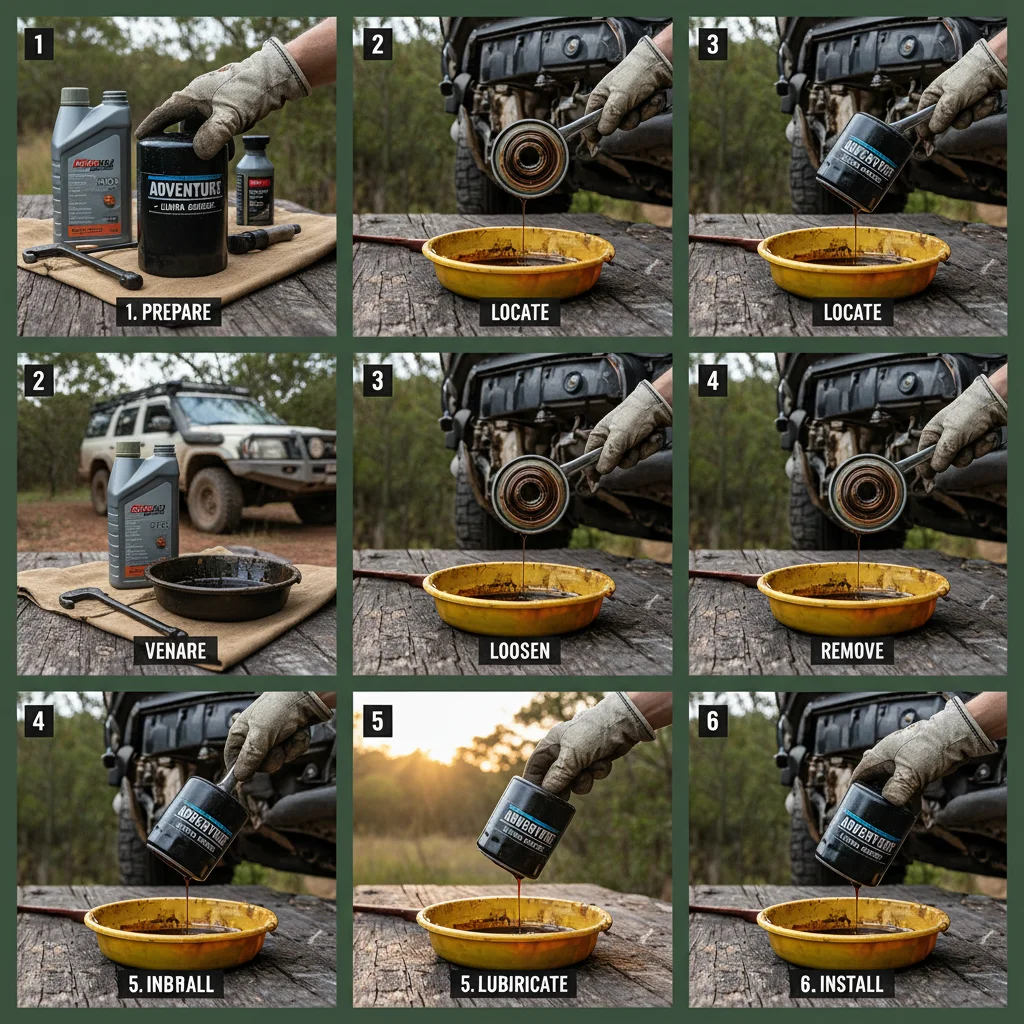
The world runs on lubrication, plain and simple. From the massive turbines powering our cities to the engines keeping our transportation networks moving, and even the small motors in our everyday appliances, oil is the lifeblood. But oil alone isn’t enough. It needs to be kept clean, filtered to remove contaminants that cause wear and tear, and maintained at optimal levels. That's where oil and filter systems come into play. It’s not glamorous work figuring out the right micron rating or flow rate, but it’s absolutely critical to keeping everything running smoothly – and preventing catastrophic failures. I’ve spent years on construction sites, seeing firsthand what happens when you cut corners on filtration. It’s never pretty.
The demand for effective oil and filter solutions is truly global. The UN Industrial Development Organization (UNIDO) consistently emphasizes the importance of preventative maintenance in developing nations to ensure sustainable industrial growth. The ISO standards for filtration are adopted worldwide, underpinning quality control across diverse sectors. The global filter market alone is projected to reach billions in the coming years, driven by increasingly complex machinery and stringent environmental regulations. I’ve seen it escalate in China especially; a nation rapidly expanding its industrial capacity.
Simply put, oil is the lubricant, and the filter is its guardian. Oil reduces friction, dissipates heat, and carries away debris. The filter's job is to remove that debris – dirt, metal particles, combustion byproducts – before it can cause damage. Without effective filtration, oil quickly becomes abrasive, accelerating wear and leading to equipment failure. In modern industry, and increasingly in vital humanitarian efforts like water purification and emergency power generation, a reliable oil and filter system isn't just a component; it’s a necessity.
The Importance of Oil and Filter Systems
You'd be surprised how often people underestimate the significance of a good oil and filter system. I've seen multi-million dollar equipment sidelined by a clogged filter that cost less than a hundred bucks. It’s about more than just cost, though. It’s about uptime, reliability, and preventing environmental damage from leaks caused by worn components. A well-maintained system extends equipment life, reduces operating costs, and contributes to a more sustainable operation.
The core principle is simple: keep the oil clean. But achieving that requires understanding the specific demands of the application. A hydraulic system in a construction excavator needs a drastically different filter than the engine oil filter in a generator. It’s about selecting the right materials, the right micron rating, and the right flow capacity. I've spent countless hours on-site, troubleshooting filtration issues and working with engineers to optimize systems for maximum performance.
Global Relevance and Industry Context
The need for reliable oil and filter solutions transcends borders. Consider the agricultural sector in developing countries – access to affordable and effective filtration can significantly extend the lifespan of tractors and irrigation pumps, improving crop yields and food security. In remote mining operations, where equipment downtime can be incredibly expensive, robust filtration is paramount. I’ve personally assisted in setting up maintenance programs in some pretty rugged locations, and the impact of a good filter can't be overstated.
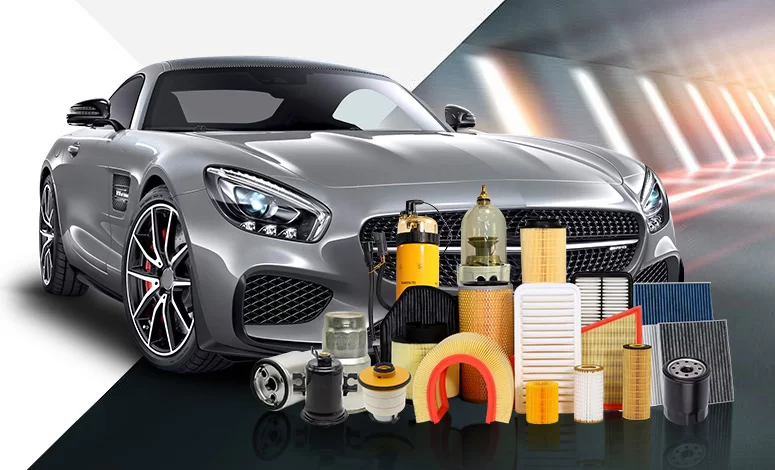
The automotive industry is another massive driver of demand. With increasingly sophisticated engines and tighter emissions standards, the need for high-performance oil filters is constantly growing. The aviation industry demands even stricter filtration standards, given the critical nature of engine reliability. The standardization efforts of organizations like SAE International play a crucial role in ensuring quality and interoperability across these diverse applications.
The impact isn’t just economic. Environmental regulations worldwide are becoming stricter, requiring better filtration to prevent oil leaks and spills. Effective oil and filter systems are a key component of responsible environmental stewardship.
Defining Oil and Filter Technology
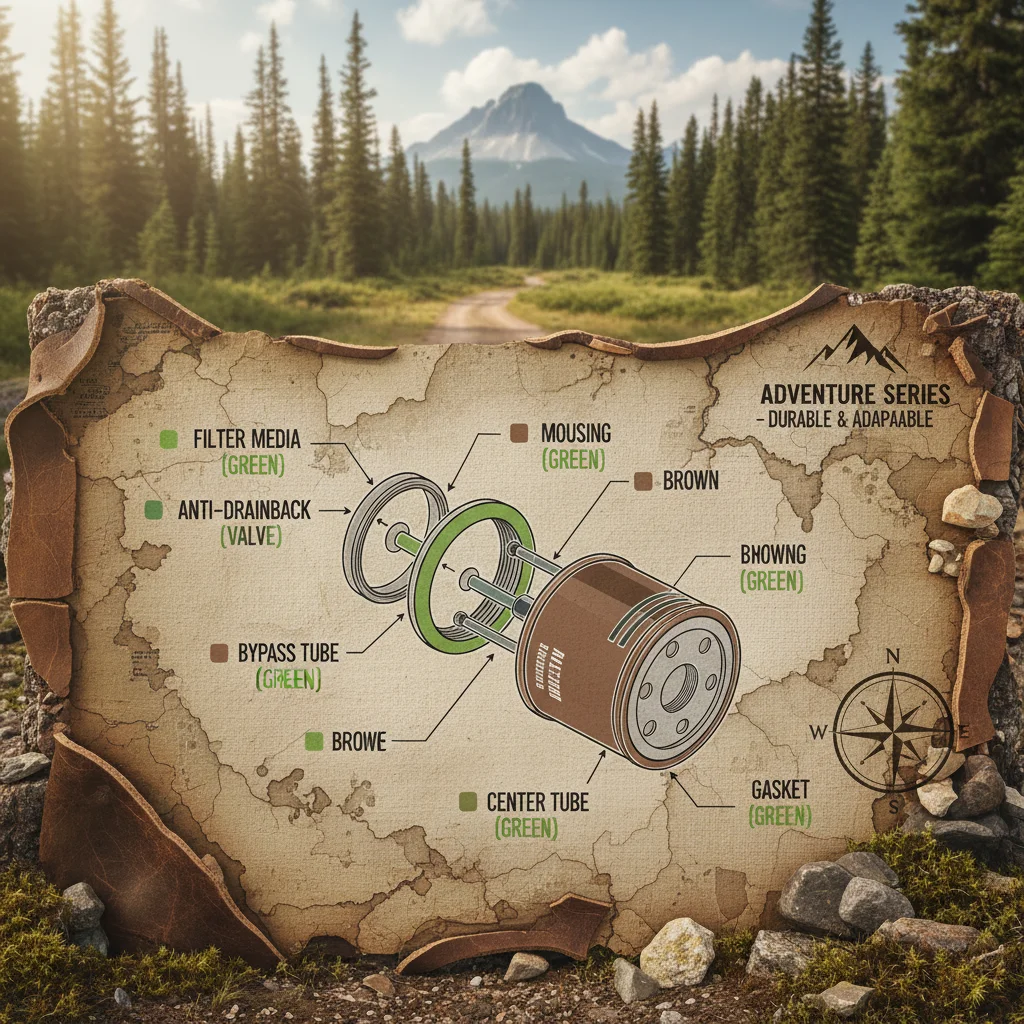
At its most basic, filtration involves passing a fluid – in this case, oil – through a porous medium that traps contaminants. Filters come in many forms, from simple spin-on cartridge filters to complex multi-stage systems. The key characteristic is the ‘micron rating’ – a measure of the size of particles the filter can capture. A lower micron rating means the filter can capture smaller particles, offering more comprehensive protection. I always tell the new guys, don’t just look at the micron rating, consider the filter’s capacity too.
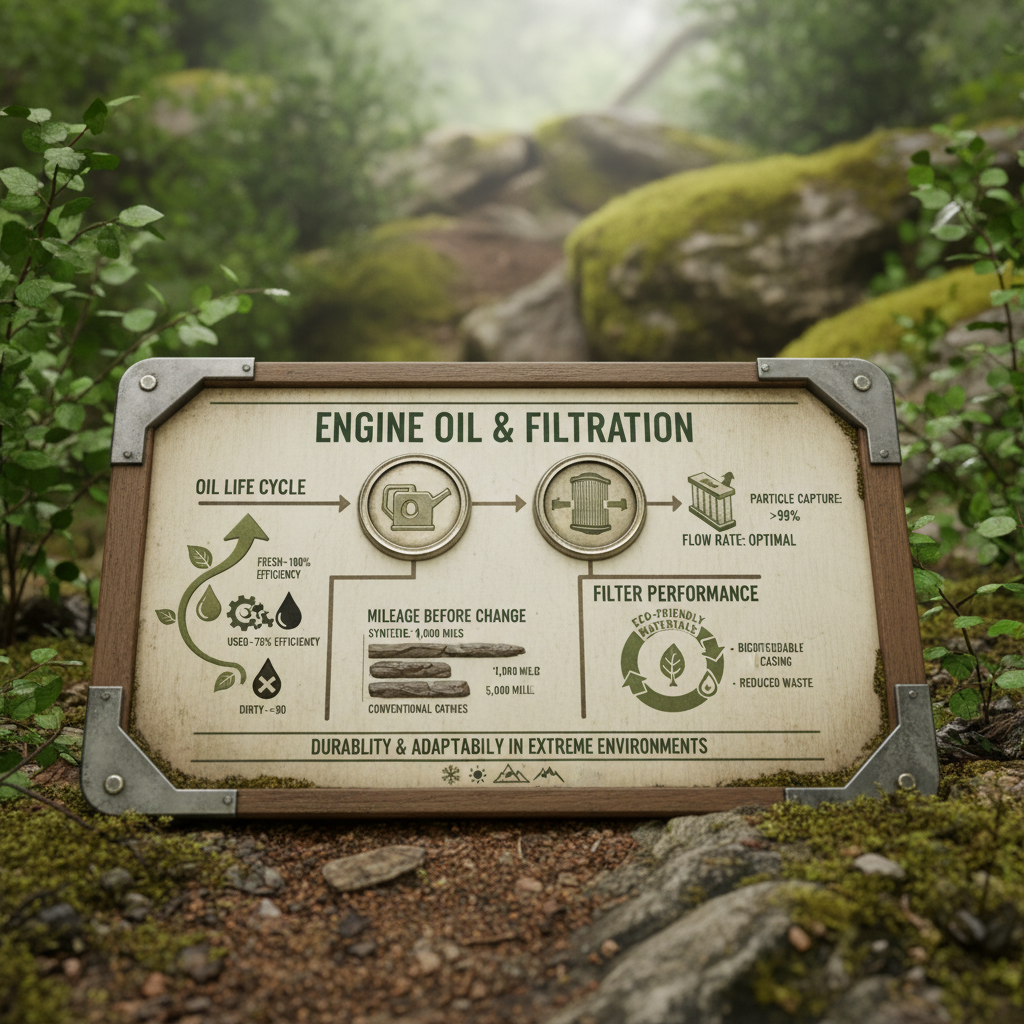
Oil itself has evolved significantly. Synthetic oils offer superior performance characteristics – better thermal stability, improved lubrication, and longer service life – but they also require filters designed to handle their unique properties. Mineral oils are still widely used, but even they are becoming more sophisticated, with additives designed to enhance their performance and extend their lifespan. Understanding the interplay between oil and filter is crucial for optimal system performance.
The technology is constantly advancing. We're seeing the development of nanofiber filters with incredibly high filtration efficiency, as well as self-cleaning filters that can reduce maintenance requirements. The integration of sensors and data analytics is also transforming the field, allowing for real-time monitoring of filter performance and predictive maintenance scheduling. That's where oil and filter systems are really heading: becoming smart components of a larger, connected system.
Key Factors in Oil and Filter Performance
Several factors directly impact the effectiveness of an oil and filter system. First and foremost is filtration efficiency. A filter needs to reliably remove contaminants of the appropriate size. Then there’s flow rate. The filter must allow enough oil to pass through to meet the demands of the system. Restricting flow can lead to overheating and reduced performance.
Durability is also critical, particularly in harsh environments. Filters need to withstand pressure fluctuations, temperature extremes, and exposure to corrosive substances. I’ve seen filters fail prematurely due to poor construction, leading to costly downtime. Filter capacity determines how much contaminant a filter can hold before becoming clogged. Regularly replacing filters before they reach capacity is essential.
Oil and Filter Method Comparison
Global Applications and Use Cases
You see oil and filter systems everywhere. In power plants, they protect massive turbines from damage. In construction equipment – excavators, bulldozers, cranes – they ensure reliable operation in harsh conditions. In the transportation sector, they’re vital for maintaining engine performance and reducing emissions. I've even seen specialized filtration systems used in food processing plants to ensure product purity.
In post-disaster relief operations, portable generators are often the first source of power. Maintaining those generators – and ensuring a clean oil supply – is crucial for providing essential services. And in remote industrial zones, where access to maintenance support is limited, robust and reliable filtration is absolutely essential. That’s where long-lasting, high-capacity filters really shine.
Advantages and Long-Term Value
The benefits of investing in a high-quality oil and filter system are numerous. Reduced maintenance costs are a big one – fewer breakdowns mean less downtime and lower repair bills. Extended equipment life is another significant advantage – a well-maintained machine lasts longer, maximizing your return on investment.
But it's more than just economics. Reliable filtration enhances safety by preventing equipment failures that could lead to accidents. It contributes to environmental sustainability by reducing oil leaks and spills. And it builds trust with customers and stakeholders by demonstrating a commitment to quality and responsible operation. It's a subtle thing, but a consistently well-maintained machine speaks volumes.
Future Trends and Innovations in Filtration
We’re on the cusp of some exciting advancements in filtration technology. The development of smart filters, equipped with sensors and data analytics capabilities, is a major trend. These filters can monitor their own performance, predict when they need to be replaced, and even alert maintenance personnel to potential problems. It’s all about preventative maintenance and maximizing uptime.
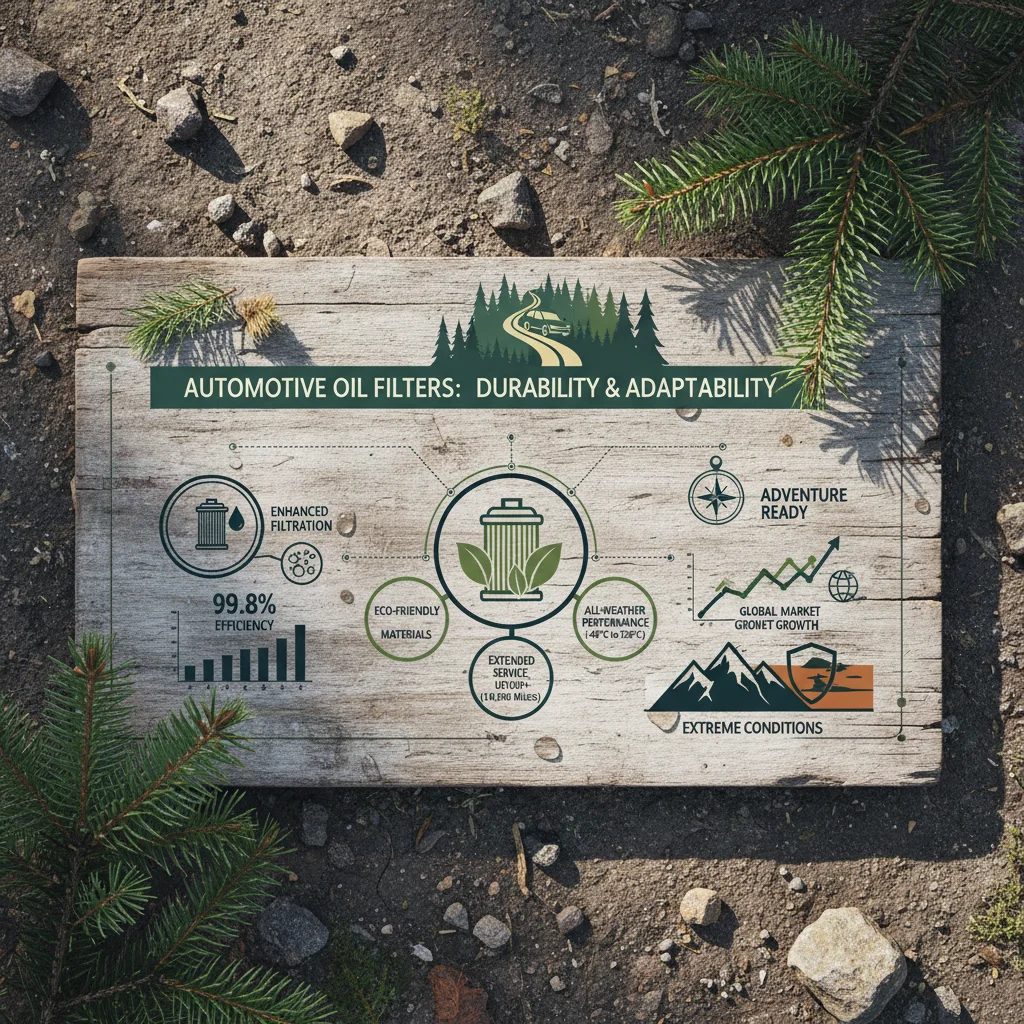
Another area of innovation is the use of new materials – nanofiber media, for example – that offer significantly higher filtration efficiency. And with the growing emphasis on sustainability, we’re seeing increased interest in biodegradable filter materials and closed-loop filtration systems that minimize waste.
The integration of filtration systems with digital twins – virtual replicas of physical assets – is also gaining traction. This allows for real-time monitoring and optimization of filtration performance, leading to even greater efficiency and reliability. That's the direction we're heading: intelligent, sustainable, and highly effective oil and filter solutions.
Summary of Challenges and Solutions in Oil and Filter Systems
| Challenge |
Impact on System |
Potential Solution |
Implementation Cost (Scale 1-10) |
| Filter Clogging |
Reduced Flow Rate, Increased Pressure |
Implement Scheduled Filter Changes, Utilize Filter Monitoring Systems |
3 |
| Incorrect Filter Specification |
Insufficient Filtration, Premature Wear |
Conduct Thorough System Analysis, Consult with Filtration Experts |
5 |
| Bypass Valve Malfunction |
Unfiltered Oil Circulation |
Regular Inspection and Testing of Bypass Valve |
2 |
| Oil Contamination |
Accelerated Wear, System Failure |
Implement Strict Oil Handling Procedures, Utilize Oil Analysis |
4 |
| Filter Housing Integrity |
Oil Leaks, Reduced Filtration Efficiency |
Periodic Inspection for Cracks or Corrosion, Replace Damaged Housings |
6 |
| Lack of Maintenance Training |
Improper Filter Changes, Neglected Inspections |
Provide Comprehensive Training to Maintenance Personnel |
7 |
FAQS
The ideal frequency depends heavily on the operating environment and oil type. Generally, for heavy machinery operating in dusty or harsh conditions, a filter change is recommended every 250-500 hours. For cleaner environments and synthetic oils, you might extend that to 500-1000 hours. Regularly performing oil analysis is the best way to determine the optimal change interval, as it provides insights into the oil’s condition and the filter’s efficiency. Ignoring this can lead to accelerated wear and component failure, costing you a lot of time and money.
Selecting the right micron rating involves balancing filtration efficiency with flow restriction. A smaller micron rating (e.g., 5 microns) captures more particles but can reduce flow. A larger rating (e.g., 10-20 microns) allows for higher flow but may not remove smaller, abrasive particles. Consult your equipment manufacturer’s recommendations as a starting point. Consider the specific contaminants present in your environment and choose a filter that effectively removes them without unduly restricting flow. It’s a bit of a balancing act.
Several signs indicate a clogged oil filter. The most common is a drop in oil pressure, which can trigger warning lights. You might also notice reduced engine performance, increased fuel consumption, or unusual noises. Visually inspecting the filter can sometimes reveal excessive dirt buildup. It’s always best to address a suspected clogged filter promptly to prevent damage to critical components.
While cheaper, generic filters may seem appealing, they often compromise on materials and construction quality. This can lead to reduced filtration efficiency, lower durability, and potentially even damage to your equipment. Branded filters typically undergo more rigorous testing and are designed to meet specific performance standards. In the long run, investing in a quality filter from a reputable manufacturer is often more cost-effective than dealing with the consequences of a failure. From my experience, you get what you pay for.
Oil analysis involves taking a sample of your oil and sending it to a lab for testing. The lab analyzes the oil for contaminants, wear particles, and other indicators of engine health. This data helps determine the oil's condition, identify potential problems, and optimize filter change intervals. It’s a proactive approach to maintenance that can save you significant money and downtime. I highly recommend it for any operation relying on critical machinery.
Yes, the demand for eco-friendly filters is growing. Some manufacturers now offer filters with biodegradable media or recyclable housings. There's also a trend towards extended-life filters that reduce waste. Additionally, proper disposal of used filters is crucial – many recycling programs accept them. Choosing environmentally responsible options is a great way to reduce your environmental footprint.
Conclusion
Effective oil and filter systems are fundamental to the reliable operation of countless machines and processes worldwide. From extending equipment life and reducing maintenance costs to enhancing safety and protecting the environment, the benefits are clear. Understanding the key factors influencing filter performance, embracing innovative technologies, and prioritizing preventative maintenance are crucial for maximizing value.
Looking ahead, the future of filtration lies in smarter, more sustainable solutions. The integration of sensors, data analytics, and advanced materials will drive further improvements in efficiency and reliability. Investing in quality filtration isn’t just about protecting your equipment; it’s about ensuring the long-term sustainability of your operations. For more information and to explore our comprehensive range of oil and filter solutions, visit our website: www.congbenfilter.com.