oil filters
Comprehensive Guide to Selecting the Best Oil Filter for Car Engine Health

Comprehensive Guide to Selecting the Best Oil Filter for Car Engine Health

The Ultimate Guide to Choosing the Right Oil Filter for Your Car

Maintaining your car's engine health is paramount, and a crucial component of this is the oil filter for car. It’s responsible for removing contaminants from your engine oil, ensuring optimal performance and longevity. Choosing the right oil filter can seem daunting with so many options available. This guide will provide a comprehensive overview of oil filters, helping you understand the types, features, and how to select the best one for your vehicle. Investing in a quality oil filter safeguards your engine against wear and tear, ultimately saving you money on costly repairs.

oil filter for car

Understanding the Different Types of Oil Filters

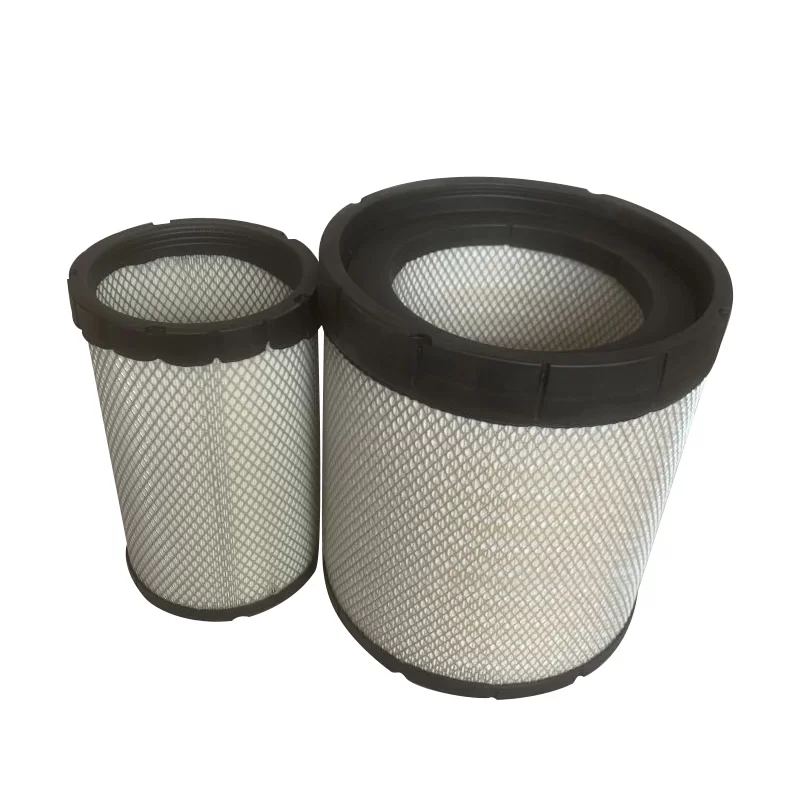
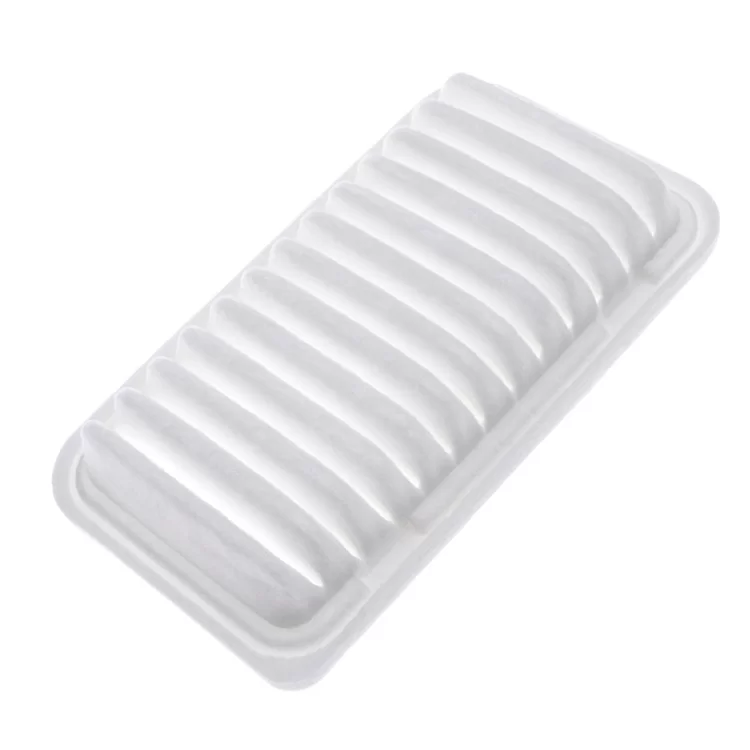
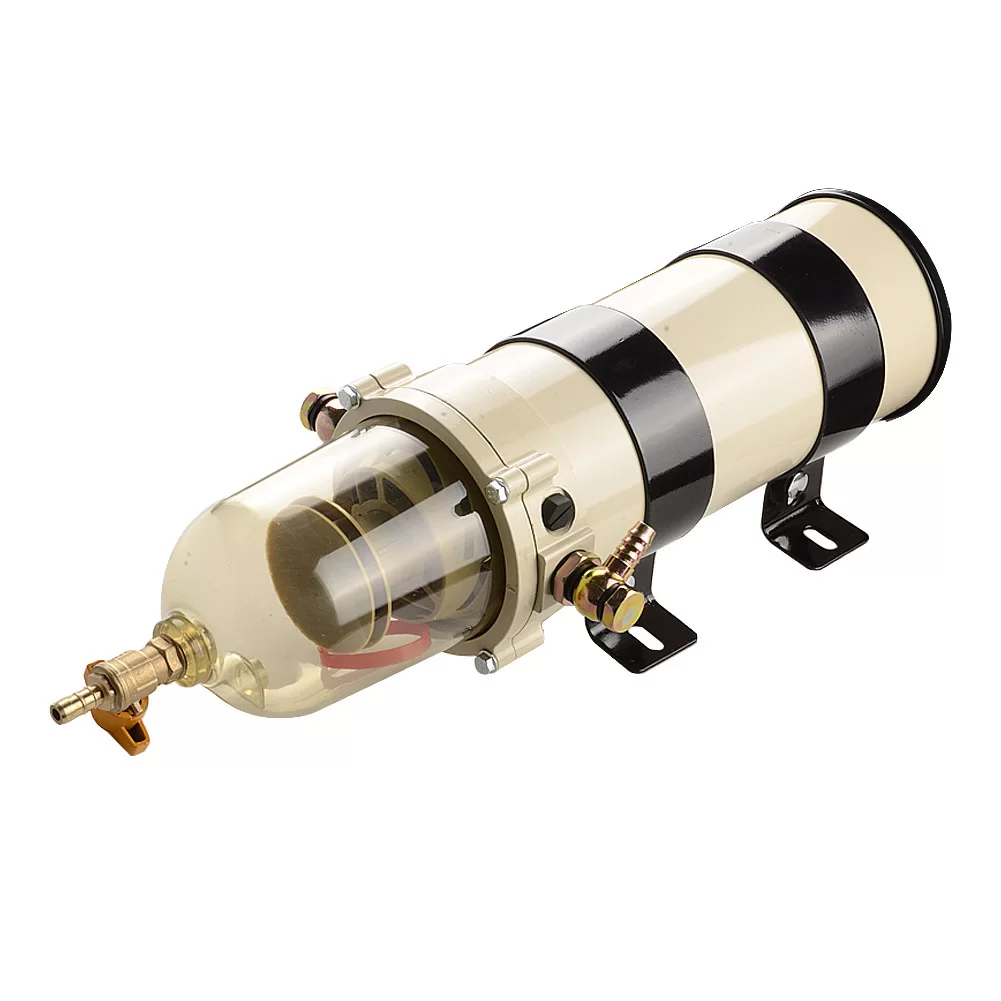
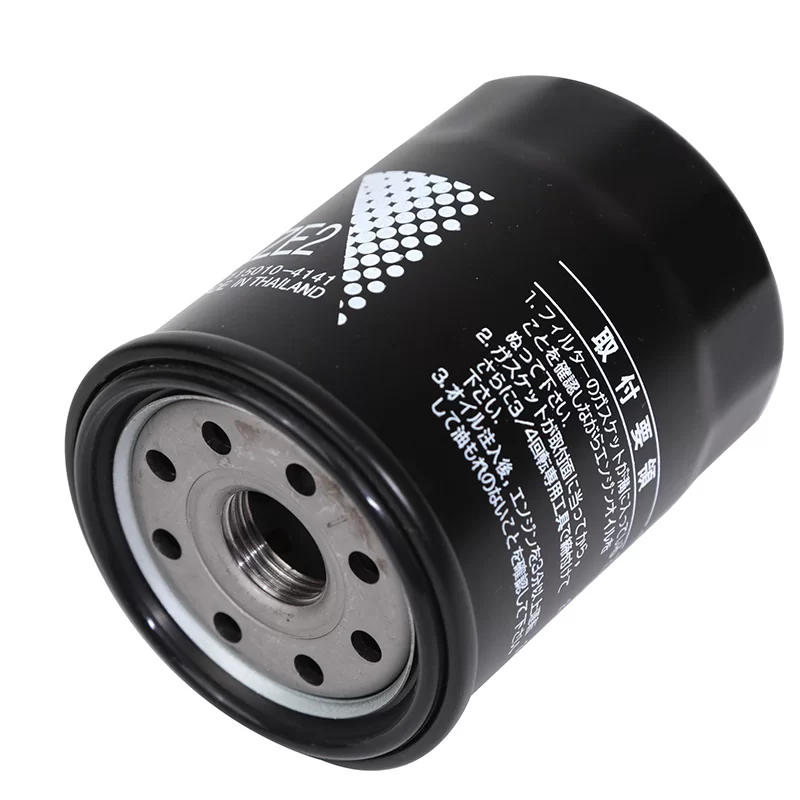
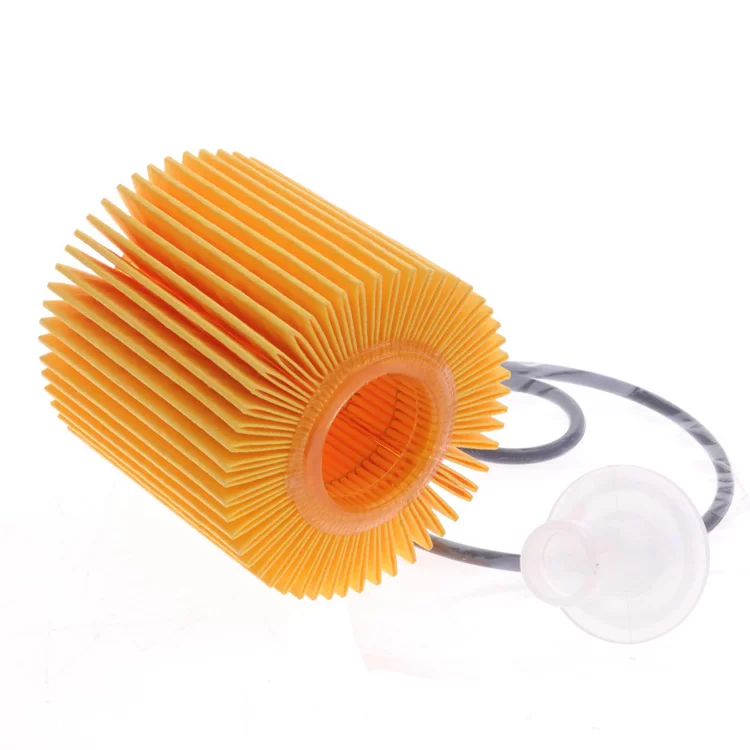
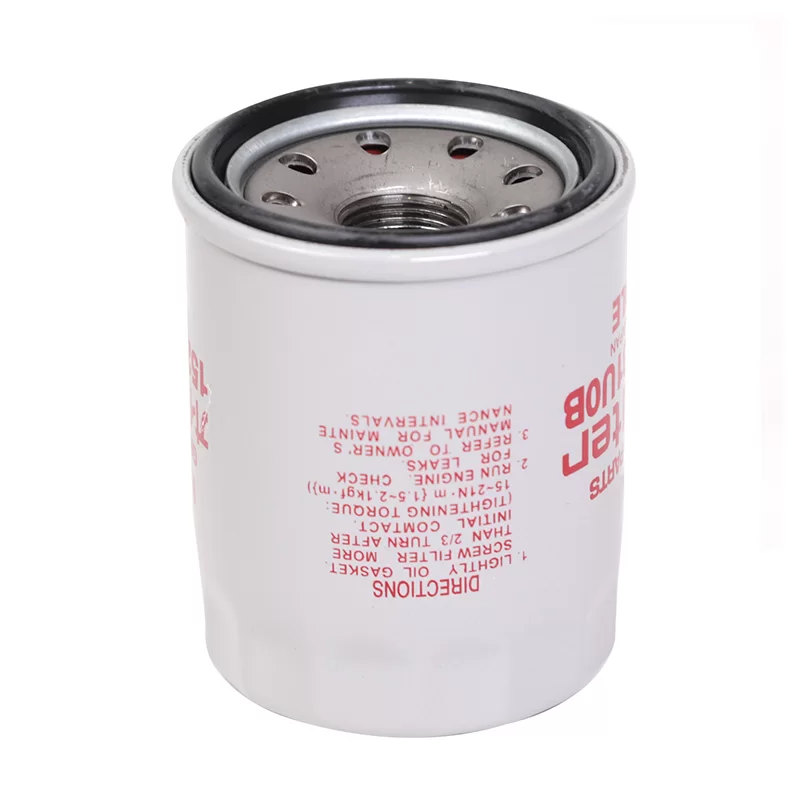
Oil filters come in several varieties, each with its own advantages and disadvantages. The most common types include spin-on filters, cartridge filters, and bypass filters. Spin-on filters are the most widely used, offering a convenient and cost-effective solution. Cartridge filters are becoming increasingly popular, often found in newer vehicles, and consist of a filter element housed within a reusable canister. Bypass filters, less common, offer finer filtration but operate with a smaller oil flow rate. Choosing the correct type depends on your vehicle's specifications and your desired level of filtration.

Key Highlights: Different filter types offer varying levels of filtration and convenience. Spin-on filters are cost-effective, while cartridge filters are reusable and often provide superior filtration.

Key Features to Look for in an Oil Filter for Car

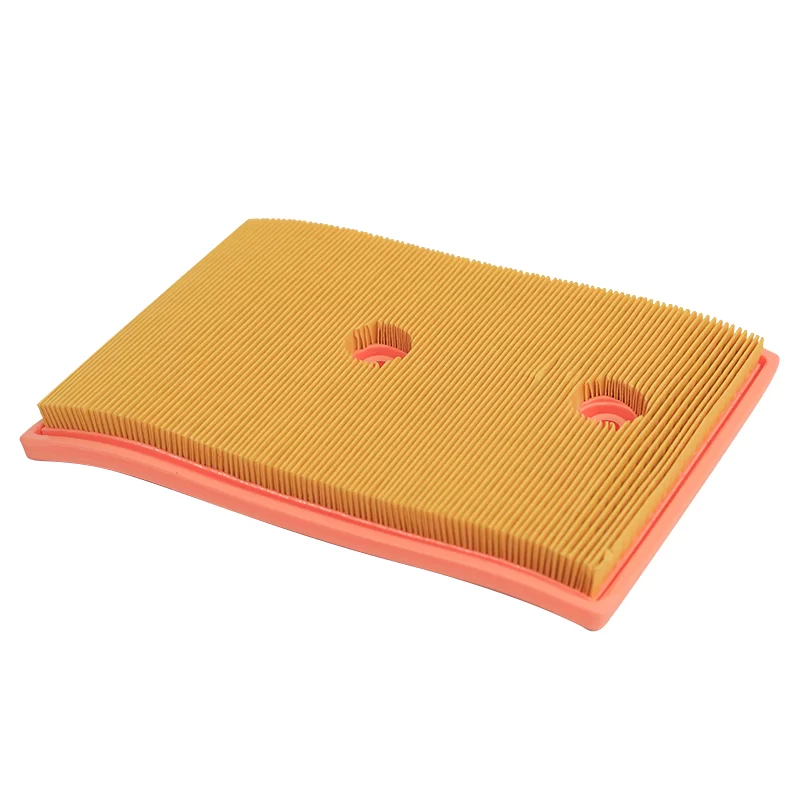
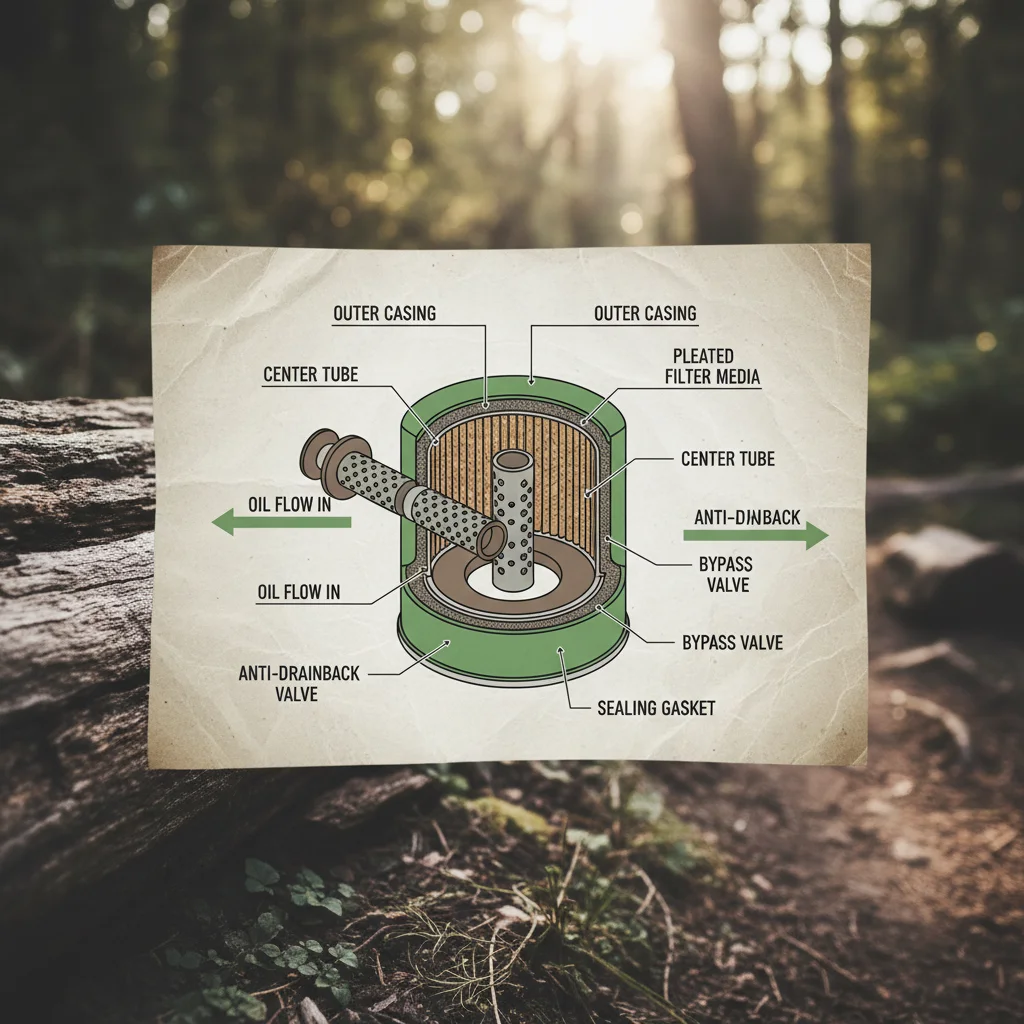
When selecting an oil filter, consider factors like filtration efficiency, flow rate, and construction materials. Filtration efficiency, measured in microns, indicates the filter's ability to capture small particles. A lower micron rating signifies better filtration. Flow rate is crucial for ensuring adequate oil circulation to the engine. The filter's construction materials should be durable and resistant to high temperatures and pressure. Look for filters with a robust metal casing and a high-quality filter media. A good oil filter should strike a balance between filtration efficiency, flow rate, and durability.

Essential Features:

• High Filtration Efficiency (low micron rating)

• Optimal Flow Rate

• Durable Construction Materials

• Robust Metal Casing

Spin-On vs. Cartridge Oil Filters: A Detailed Comparison

Spin-on and cartridge oil filters represent the two primary options available to car owners. Spin-on filters are a complete unit, easily replaced during an oil change, and typically more affordable. Cartridge filters, on the other hand, involve replacing only the filter element, reducing waste and potentially offering long-term cost savings. However, cartridge filters often require specialized tools for removal and installation. The best choice depends on your vehicle’s design, your budget, and your preference for convenience versus sustainability.

Feature Spin-On Filter Cartridge Filter
Cost Lower Higher (initial cost)
Replacement Complete unit replacement Filter element replacement
Waste More waste (entire unit disposed) Less waste (only element replaced)
Tools Required Minimal May require specialized tools

How to Choose the Correct Oil Filter for Your Vehicle

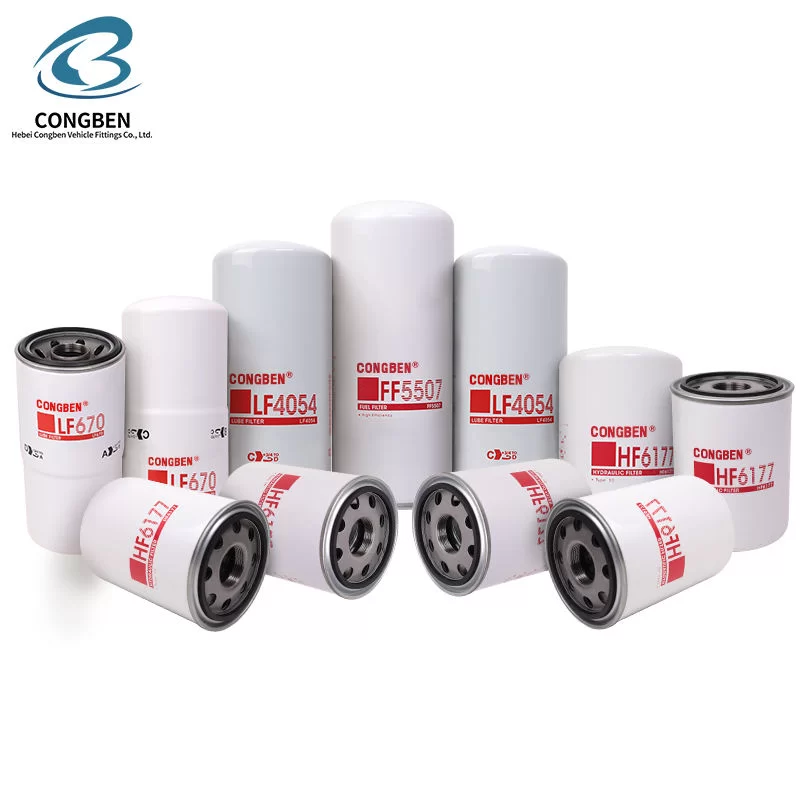
The most important step in choosing an oil filter is to consult your vehicle's owner's manual. The manual will specify the correct filter type, size, and specifications for your engine. You can also use online filter finders provided by manufacturers like Congben Filter to ensure compatibility. When selecting a filter, consider the driving conditions. For severe driving conditions, such as frequent stop-and-go traffic or towing, a premium filter with enhanced filtration capabilities is recommended.

oil filter for car

The Importance of Regular Oil Filter Replacement

Replacing your oil filter with each oil change is crucial for maintaining engine health. A clogged oil filter restricts oil flow, leading to increased engine wear and potential damage. Regular replacement ensures optimal oil circulation, effective filtration, and prolonged engine life. Following the manufacturer's recommended oil change intervals and using a high-quality oil filter for car is a simple yet effective way to protect your investment.

Conclusion: Protecting Your Engine with the Right Oil Filter

Choosing the right oil filter for your car is an essential aspect of vehicle maintenance. By understanding the different types, key features, and replacement intervals, you can safeguard your engine against wear and tear. Investing in a quality filter from a reputable manufacturer like Congben Filter ensures optimal performance and longevity. Don't compromise on engine health – choose wisely and drive with confidence.

Frequently Asked Questions (FAQs)

How often should I replace my oil filter?

Generally, you should replace your oil filter with every oil change. Most manufacturers recommend oil changes every 3,000 to 7,500 miles, depending on your vehicle and driving conditions. However, it's always best to consult your vehicle's owner's manual for specific recommendations. Using a high-quality oil filter ensures optimal performance between changes. Driving in severe conditions (stop-and-go traffic, extreme temperatures, towing) may require more frequent oil and filter changes.

What does the micron rating of an oil filter mean?

The micron rating indicates the size of particles the filter can capture. A lower micron rating means the filter can trap smaller particles, providing better filtration. For example, a 20-micron filter will capture particles 20 microns in size and larger. While a lower micron rating provides superior filtration, it can also restrict oil flow. It’s crucial to choose a filter with a micron rating appropriate for your engine’s needs, as specified by the vehicle manufacturer.

Can I use a generic oil filter instead of a brand-name filter?

While generic oil filters may be cheaper, they often lack the quality and filtration efficiency of reputable brand-name filters. Brand-name filters typically undergo rigorous testing and adhere to higher quality standards. Using a substandard filter can compromise engine protection and potentially lead to costly repairs. It's generally recommended to stick with filters from trusted manufacturers like Congben Filter to ensure optimal performance and longevity.

What are the signs of a clogged oil filter?

Signs of a clogged oil filter include a drop in oil pressure (indicated by the oil pressure warning light), engine knocking or rattling noises, and reduced engine performance. A clogged filter restricts oil flow, leading to inadequate lubrication and potential engine damage. If you notice any of these symptoms, replace your oil filter immediately. Regular oil and filter changes are the best way to prevent clogging and maintain engine health.

If you are interested in our products, you can choose to leave your information here, and we will be in touch with you shortly.